
Case studies · MIM · AM
Solvent debinding in practice
Three projects from MIM and AM production: how we tailored debinding systems to our customers' solvent, parts and process.
13 × EBA-900
high-volume production with trichloroethylene
over 50 %
shorter drying time
EDA-250
custom build with paraffin oil tank
Argon
inerting against oxidation
Case study 01
Drying time more than halved
A manufacturer of metal injection moulded (MIM) parts wanted to make its systems more efficient and shorten the drying time of the parts. The challenge: the solvent used, trichloroethylene, has a high boiling point. The customer did not want to raise the temperature of the thermal oil in the distillation significantly, so as not to damage the parts.
Our solution: 13 debinding systems of the EBA-900 series with additional built-in heat exchangers. They are used to blow warm nitrogen into the system. This brings the heat directly to the parts and evaporates the trichloroethylene. The customer sets the number and duration of the intervals on the touch panel.
The result: the drying time fell by more than half. The customer now plans to retrofit the process to all existing systems as well.
Project profile
- Application: debinding and drying of parts
- Solvent: trichloroethylene
- System: 13 × EBA-900 with heat exchangers
- Industry: metal injection moulding (MIM)
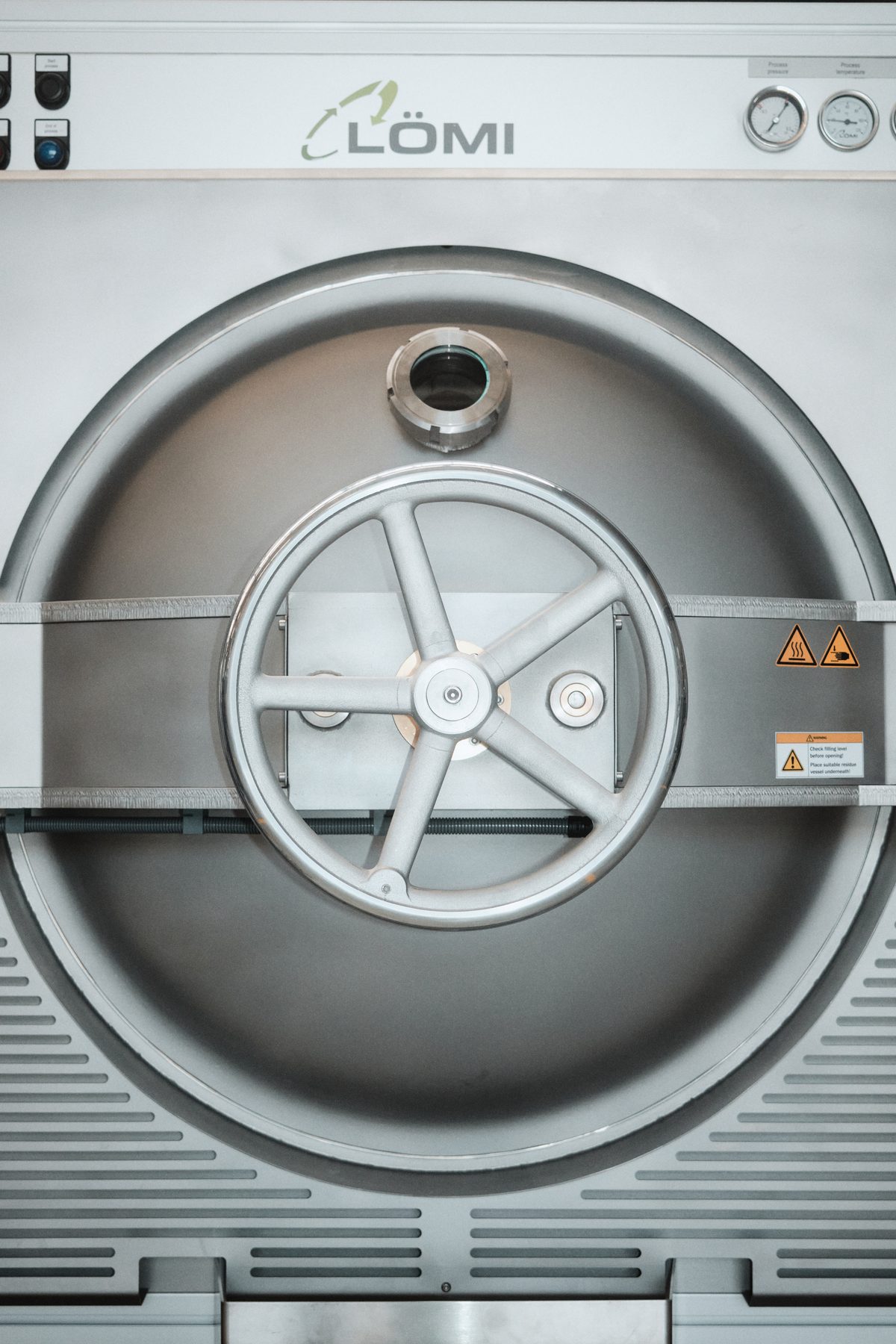
over 50 %
shorter drying time
Case study 02
Corrosion protection directly in the system
A customer from MIM and AM production manufactures very sensitive parts that oxidise quickly. After drying, they were therefore to be wetted with paraffin oil to protect them against corrosion.
We extended an EDA-250 debinding system with an additional paraffin oil tank and a circulation pump. The pump prevents the chemical additives in the oil from settling, and the customer sets its intervals on the touch panel. For wetting, the paraffin oil is pumped into the process chamber until all parts are covered and then pumped out again. If required, the customer then dries the parts again.
The system is a custom build with customer-specific programming. The result: the parts are wetted evenly, and no corrosion occurs after they are removed from the process chamber.
Project profile
- Application: debinding followed by wetting with paraffin oil
- Solvent: cyclohexane, plus paraffin oil
- System: EDA-250 as a custom build
- Industry: MIM and additive manufacturing (AM)
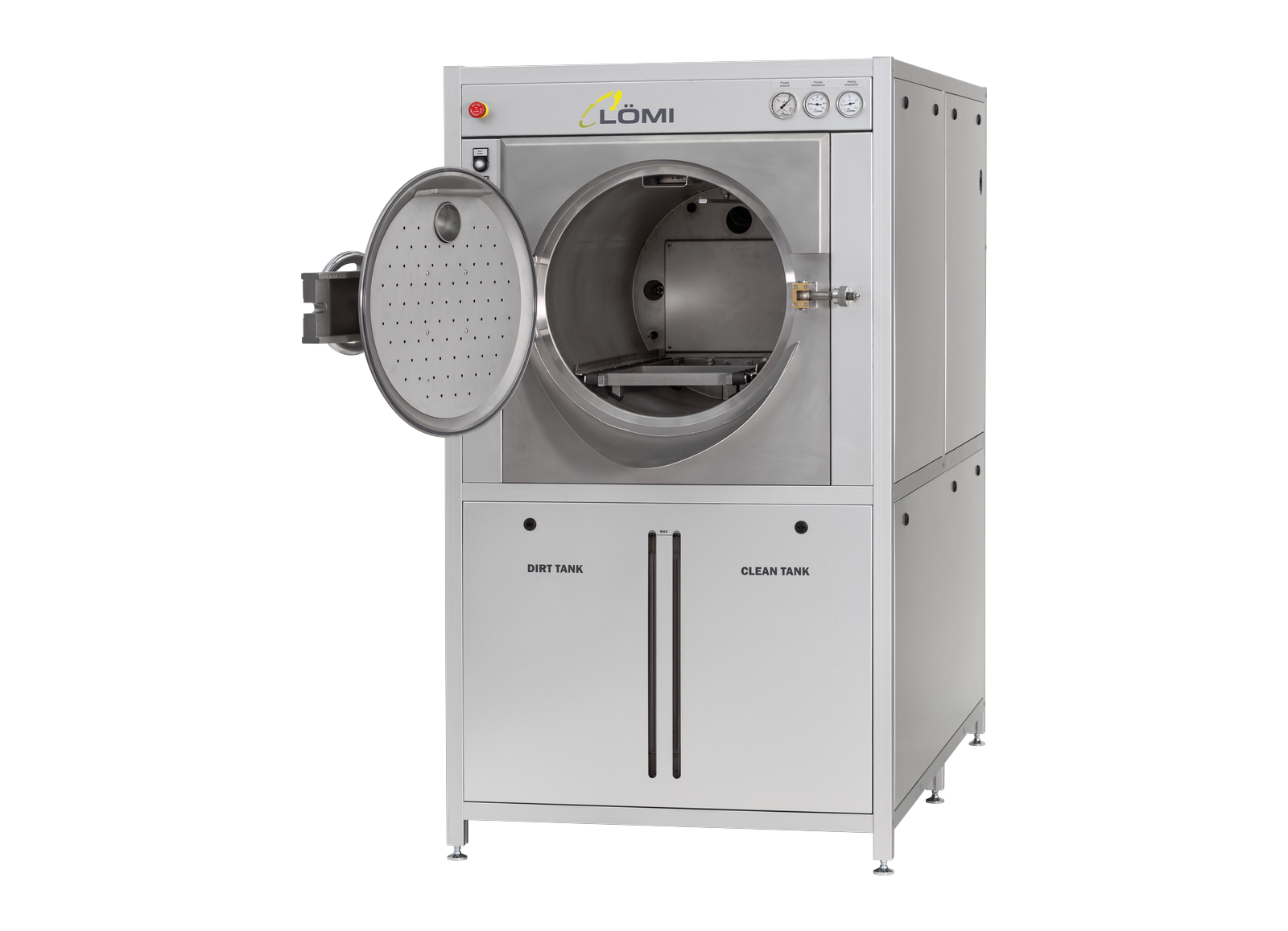
EDA-250
custom build with paraffin oil tank
Case study 03
Debinding without oxygen
A long-standing customer from MIM and AM production manufactures parts that oxidise immediately on any contact with oxygen. There must therefore be no oxygen in the system.
We supplied an EDA-250 debinding system with adapted programming of the inerting. The customer decides how often the oxygen is replaced by inert gas and thus keeps the oxygen concentration low. The design of the system prevents oxygen from entering the process chamber during process steps such as draining. If required, the customer floods the system with argon again in every process step.
The customer's laboratory tests confirmed the result: the oxygen content in the parts was below the target value, and expectations were exceeded.
Project profile
- Application: debinding of oxygen-sensitive parts
- Inert gas: argon
- System: EDA-250 with adapted inerting
- Industry: MIM and additive manufacturing (AM)
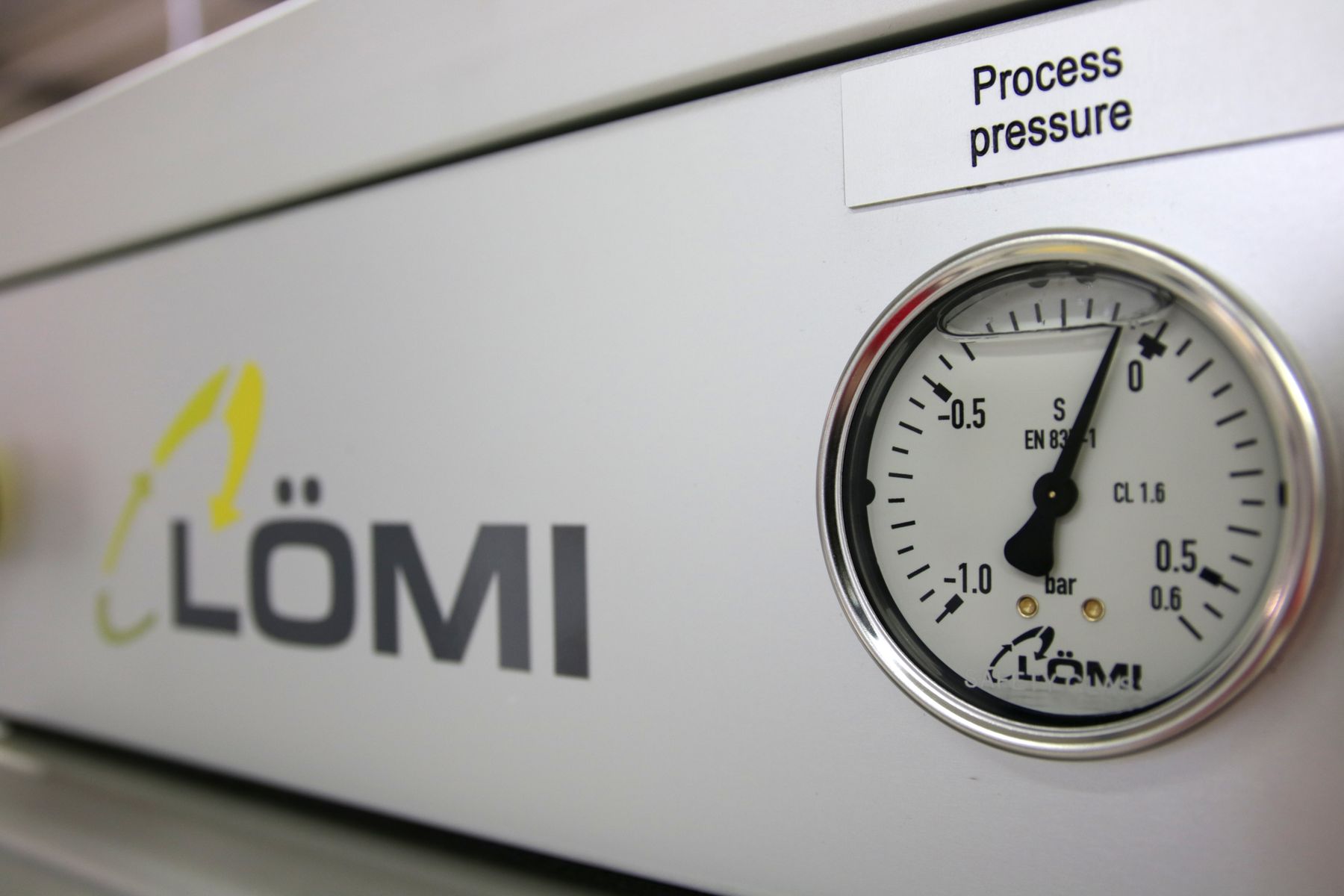
Argon
oxygen content below the target value
Case studies
More systems in operation
Special applications
Recovery by material type instead of costly disposal.
Frequently asked questions