
EDA · EBA · MDA · MIM · CIM · AM
Debinding systems for MIM, CIM and additive manufacturing
Before sintering, the binder has to come out of the part. Our systems dissolve it with solvent, from prototype to high-volume production.
Over 35 years
of experience in plant engineering
MIM · CIM · AM
Powder injection moulding and additive manufacturing
Prototype to series
scaled system sizes
ATEX
2014/34/EU certified
Process
Solvent debinding, step by step
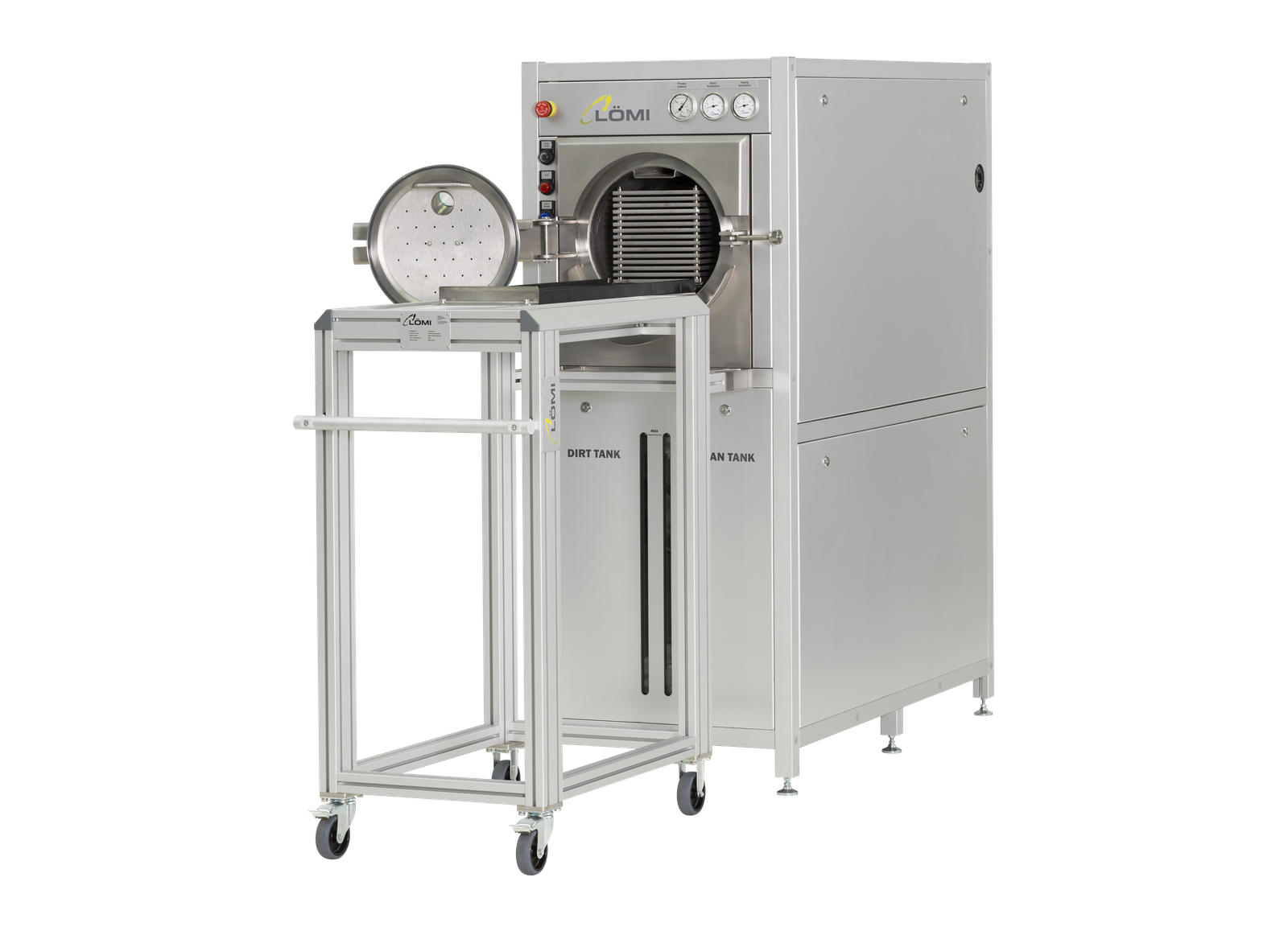
After injection moulding or printing, the part goes into the process chamber. There the solvent dissolves the soluble part of the binder. The part is then dried and is ready for the sintering furnace.
The systems either have integrated solvent recovery or are combined with a separate, stand-alone recovery system. The solvent is treated and reused instead of being disposed of after every cycle.
What sets the systems apart
- Debinding trays adapted to your parts
- Fast drying of the parts with a vacuum system
- Venting of the process chamber with inert gas
- Debinding and drying in the same process chamber
- Solvent in a closed loop
over 450
systems in operation
Basics
Debinding in the MIM, CIM and AM process
Debinding is the process step between shaping and sintering and is crucial for producing precise metal or ceramic parts. In metal injection moulding (MIM), ceramic injection moulding (CIM) and many additive manufacturing processes, a binder made of polymers and waxes holds the powder in shape. Metal or ceramic powder and binder form the feedstock, from which the green part is shaped. Before sintering, most of the binder has to be removed, otherwise cracks, blisters or distortion can occur. After debinding, the part is called a brown part.
01
Solvent debinding
A solvent dissolves the soluble part of the binder from the green part at a moderate temperature. This creates an open pore structure through which the remaining binder can escape in the sintering furnace. Depending on the material and binder system, organic solvents or water are used. In our systems, the solvent is recovered.
02
Thermal debinding
The binder is melted, evaporated or decomposed in the furnace by slow heating. The process works without solvent but needs long cycles, especially for thick-walled parts.
03
Catalytic debinding
With polyacetal-based feedstocks, a catalyst, usually gaseous nitric acid, decomposes the binder at around 110 to 120 °C. The process is fast but requires a suitable feedstock and the handling of acid.
Series
Three series for two manufacturing worlds
Our systems are used in additive manufacturing as well as in metal and ceramic injection moulding. Each system is designed individually for the solvent used, the part geometry and your specific requirements.
01
EDA
Systems for solvent debinding with integrated solvent recovery in AM and PIM, from prototype to series production.
Chamber volume: 30 to 250 l
Distillation rate: 3 to 90 l/h
02
EBA
Debinding systems for series production of MIM and CIM parts.
Chamber volume: 50 to 2,500 l
03
MDA
Stand-alone solvent recovery in combination with the EBA, so that the loop stays closed.
Chamber volume: 50 to 2,000 l
Distillation rate: 8 to 1,100 l/h
Animations
How EDA, EBA and MDA work
The 3D animations show the design and operating principle of the series.
EDA
Solvent debinding with integrated recovery for AM and PIM. Animation, about 3.5 minutes.
EBA with MDA
Series debinding with stand-alone solvent recovery. Animation, just under 5 minutes.
In practice
High-volume debinding of MIM parts
Debinding with trichloroethylene in high-volume production, with stand-alone recovery of the solvent.
13 EBA-900 systems are in operation. How the systems were retrofitted at the customer's site and what has changed as a result is described in our case studies on solvent debinding.
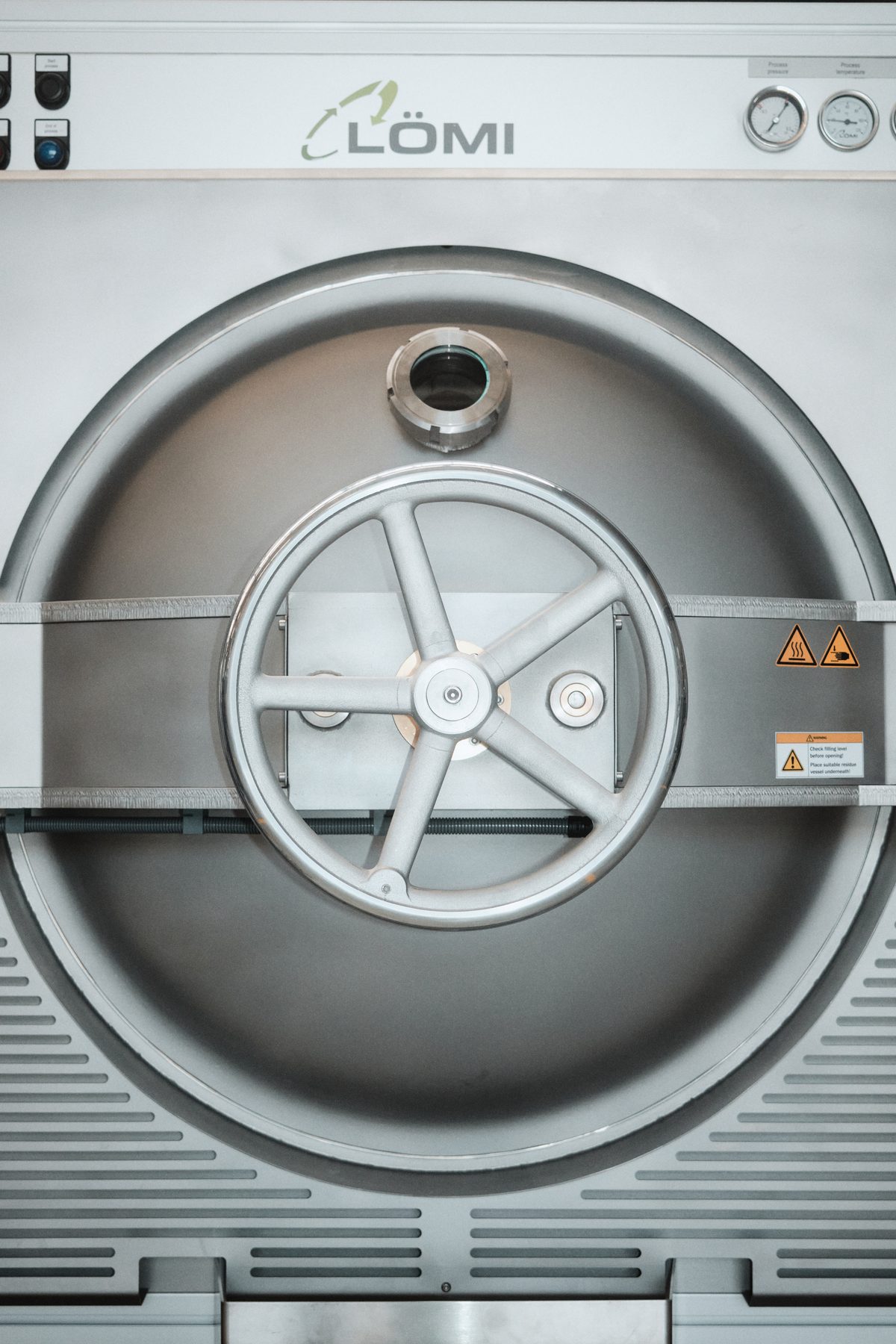
13 × EBA-900
High-volume debinding with trichloroethylene
References
A selection of our customers


Frequently asked questions
Questions about debinding
What is debinding?
Which processes are the systems suitable for?
Which solvent is used?
What is the difference between solvent debinding and thermal debinding?
Is the solvent disposed of after every cycle?
Are there systems for small quantities?
What happens after debinding?
Are the systems approved for potentially explosive areas?
Contact
Tell us about your part.
We design the system for your solvent and your part geometry.