
Case studies · Printing · Paint
Solvent recovery in practice
Three projects from prepress, printing and paint manufacturing: how our RWA systems treat contaminated solvents and return them to the process.
around 1,800 l
of Nylosolv A recovered per day
around 4,000 l
of ethanol and ethyl acetate per day
1.200 l
of ethyl acetate per day from vessel cleaning
RWA
series for medium and large distillation rates
Case study 01
2,000 litres of Nylosolv A per day
At a printing company, washing out the printing plates produces around 2,000 litres of contaminated Nylosolv A every day.
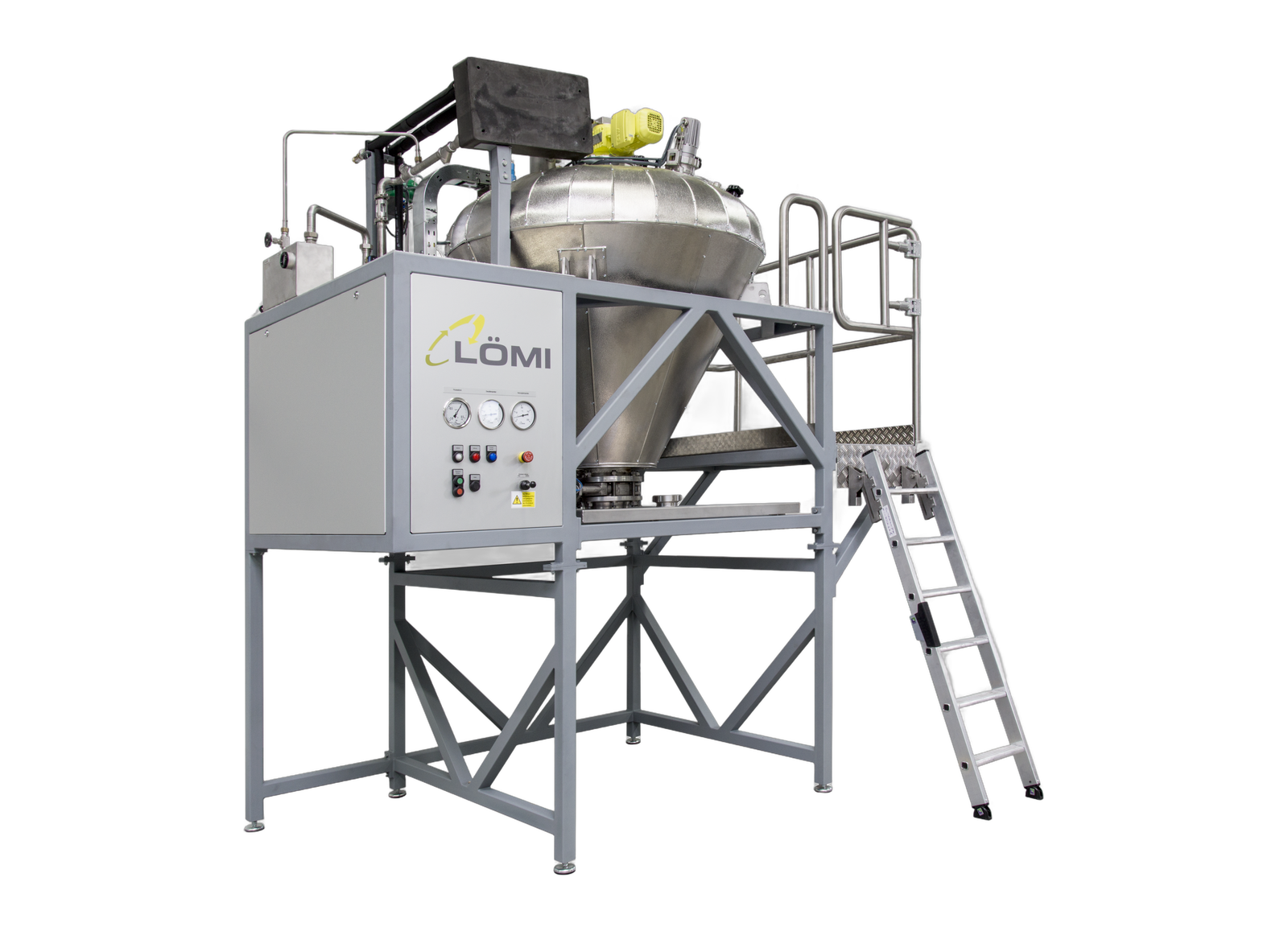
Our solution: the RWA-800 solvent recovery system with three tanks of 2,000 litres each, connected to the supply of the washout machines. The system distils from the dirty tank into the mixing tank and adds additives to the washout solvent if required. It is then pumped into the distillate tank, from which the washer draws its solvent.
The result: the customer recovers around 1,800 litres of clean Nylosolv A per day, uses it again for washing out and saves considerable costs. The same system is also suitable for FlexoSol and Nylosolv I and X.
Project profile
- Application: washing out printing plates
- Solvent: Nylosolv A
- System: RWA-800 with three 2,000-litre tanks
- Industry: prepress
around 1,800 l
of clean Nylosolv A per day
Case study 02
Cleaning printing units in a closed loop
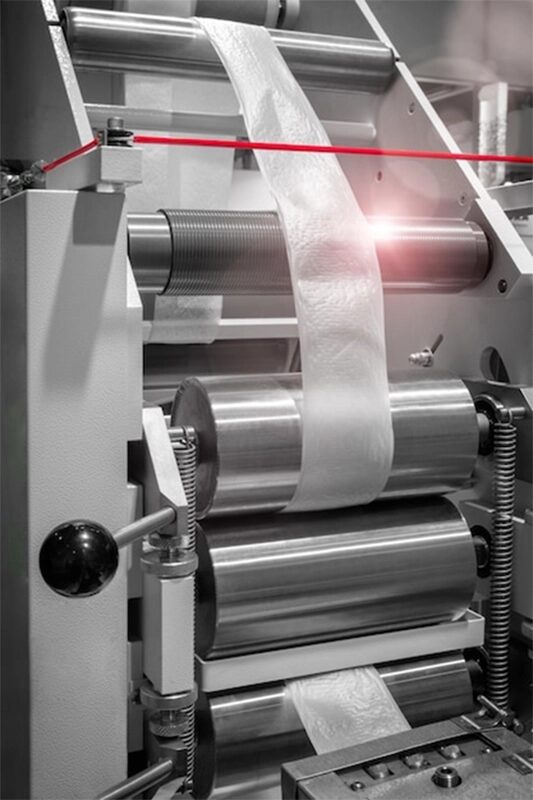
The automatic cleaning of the printing units at our customer's site produces around 4,400 litres of contaminated ethanol and ethyl acetate every day.
For recovery and treatment, we supplied an RWA-3000 with two tanks of 4,000 litres each, connected directly to the supply of the printing presses. A pump on the clean tank delivers clean solvent to the printing units on demand, and a second pump takes the contaminated solvent from the printing units to the dirty tank.
The result: around 4,000 litres of clean ethanol and ethyl acetate per day, which go back into the automatic cleaning. This saves considerable costs. The same process is also used for acetone, xylene and butyl acetate, among others.
Project profile
- Application: cleaning of printing units
- Solvent: ethanol and ethyl acetate
- System: RWA-3000 with two 4,000-litre tanks
- Industry: printing
around 4,000 l
of ethanol and ethyl acetate per day
Case study 03
Clean ethyl acetate for vessel cleaning
The automatic vessel cleaning of a paint manufacturer contaminates 1,200 litres of ethyl acetate every day. Because dirt constantly entered the working tank, the solvent had to be changed regularly. The higher the dirt content, the poorer the cleaning result, and manual rework was sometimes necessary. Brushes and nozzles also became dirty, and dirt settled in the working tank.
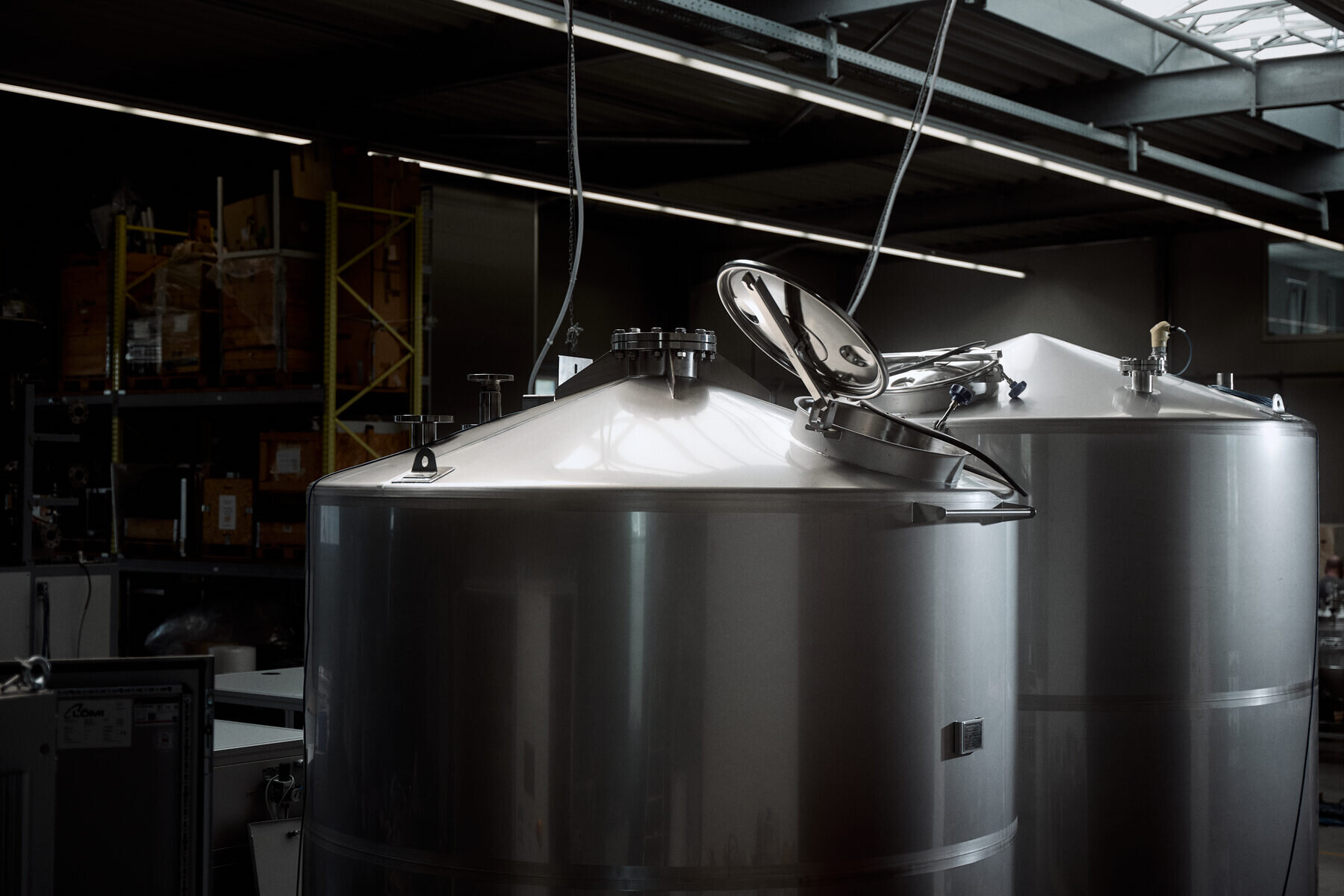
Our solution: an RWA-400, connected directly to the 1,500-litre tanks of the vessel cleaning system, with the level sensors integrated into the LÖMI control system. The system draws contaminated solvent from the working tank and continuously distils clean ethyl acetate into the rinse tank.
The result: the ethyl acetate lasts much longer and the mixing vessels come out cleaner. Much less settles in the working tank, and brushes and nozzles stay functional for longer. This saves time-consuming work steps and cuts costs significantly.
Project profile
- Application: cleaning of mixing vessels
- Solvent: ethyl acetate or solvent mixtures
- System: RWA-400 connected to 1,500-litre tanks
- Industry: paint manufacturing
1,200 l
of ethyl acetate treated per day
Solvents
Typical solvents in coatings, paint and printing
These are the solvents our systems typically treat in coatings and paint manufacturing, flexographic printing and prepress (repro). In principle, almost all organic solvents and solvent mixtures with a boiling point below 210 °C are suitable.
01
Coatings and paint
- Butyl acetate
- Xylene
- Acetone
- DE-Paint (XR-25, XR-17), Färber & Schmid
- Haku (Kluthe)
02
Flexographic printing
- Ethyl acetate
- Ethanol
- Isopropanol
- n-Propanol
- MEK
- Ethoxypropanol
- Mixtures of ethyl acetate and ethanol (80/20 to 60/40), very common
03
Prepress
- FlexoSol (DuPont, Cyrel)
- Nylosolv A, I and X (Flint)
- FS 90i
- Ecowash
- Cyrel 2000 PS
- Solvit
Case studies
More systems in operation
Special applications
Recovery by material type instead of costly disposal.
Frequently asked questions